Steep Slope & Rockfall
Geologic Hazards · Steep Slope & Rockfall
Steep slope & rockfall
Steep ground cuts both ways: rock can fall from the cliff above, and the slope beneath your feet can be unstable. Building near either one calls for a careful geologic look.
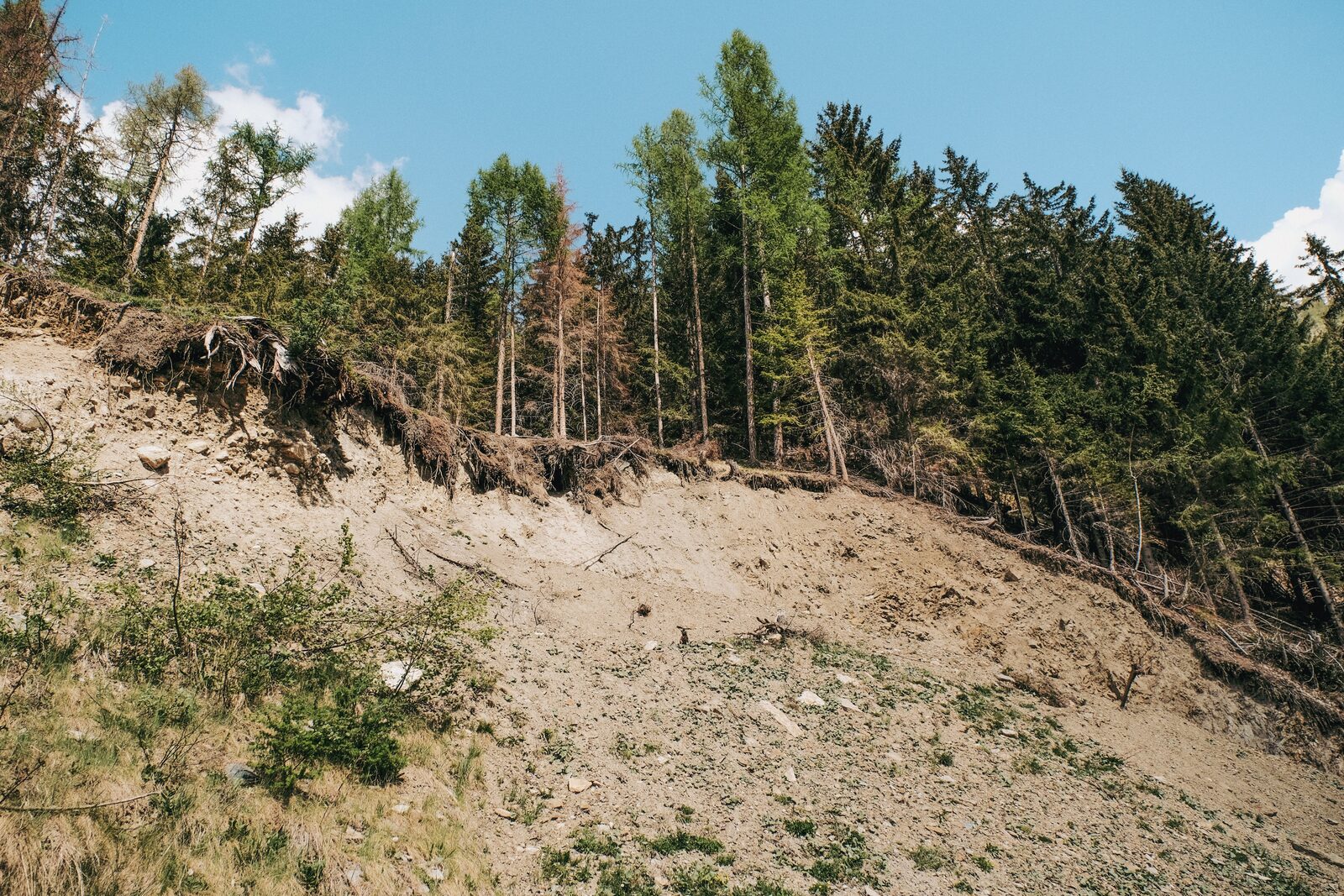 Steep ground, unstable at the surface
Why it matters
Two linked hazards on the same ground.
Steep terrain is prized for its views and its buildable perches — and it carries two hazards that often travel together.
Rockfall threatens anything below a cliff, ledge or road cut: blocks detach and reach the ground in seconds. Steep-slope instability threatens sites on the slope itself, where over-steepened cuts, fills and saturated ground can fail. Jurisdictions regulate steep slopes as critical areas — and both hazards respond well to the right assessment and design.
What we evaluate
Steep-slope & rockfall hazards
From the block that lets go at the top to the fill that slumps at the bottom, steep ground fails in several ways.
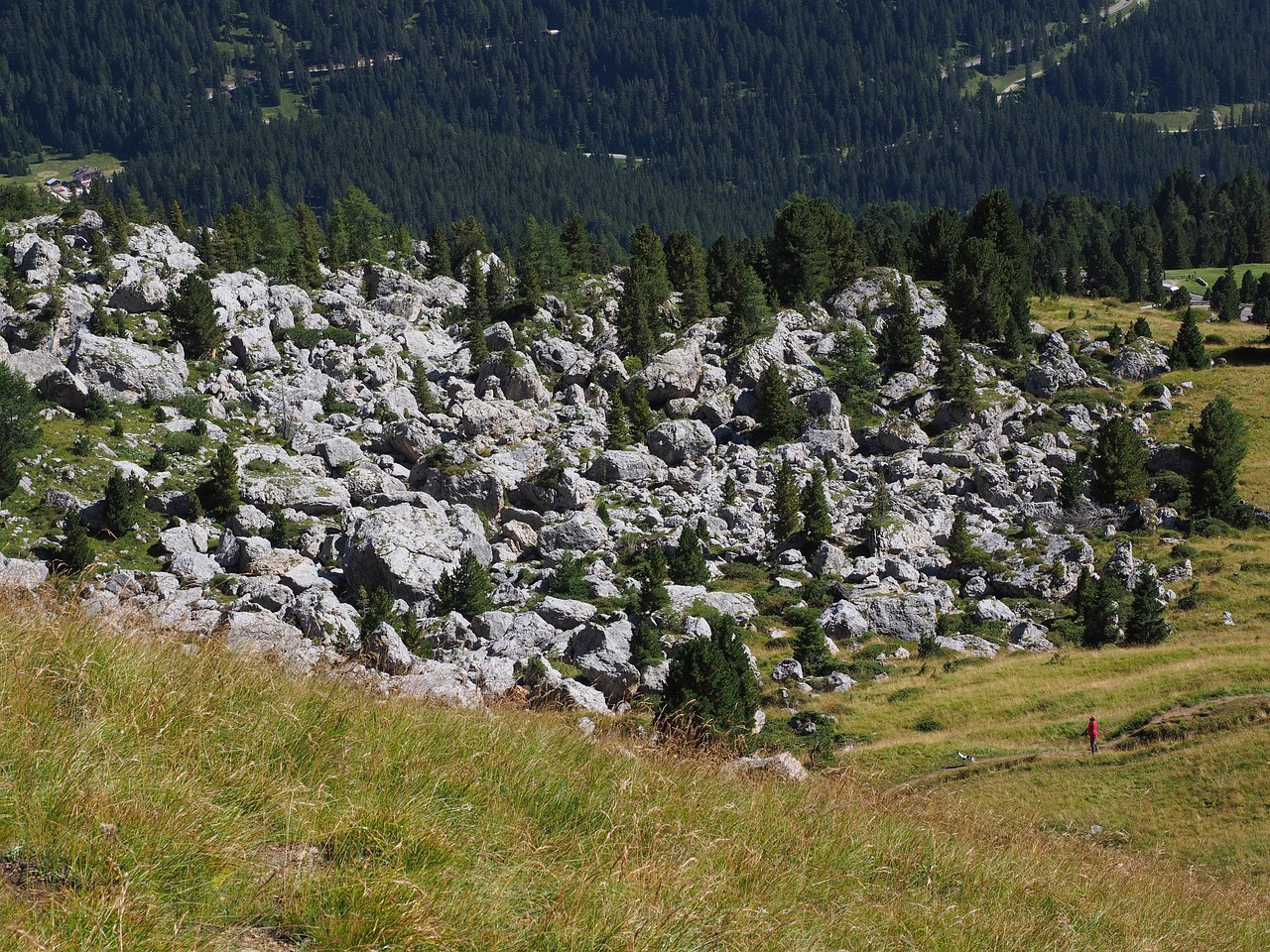
Rockfall detachment
Blocks break loose from cliffs, ledges and cuts along joints and bedding, driven by freeze-thaw, roots, water and shaking.
Runout & trajectory
Falling rock free-falls, bounces and rolls — how far it travels and how much energy it carries defines the risk downslope.
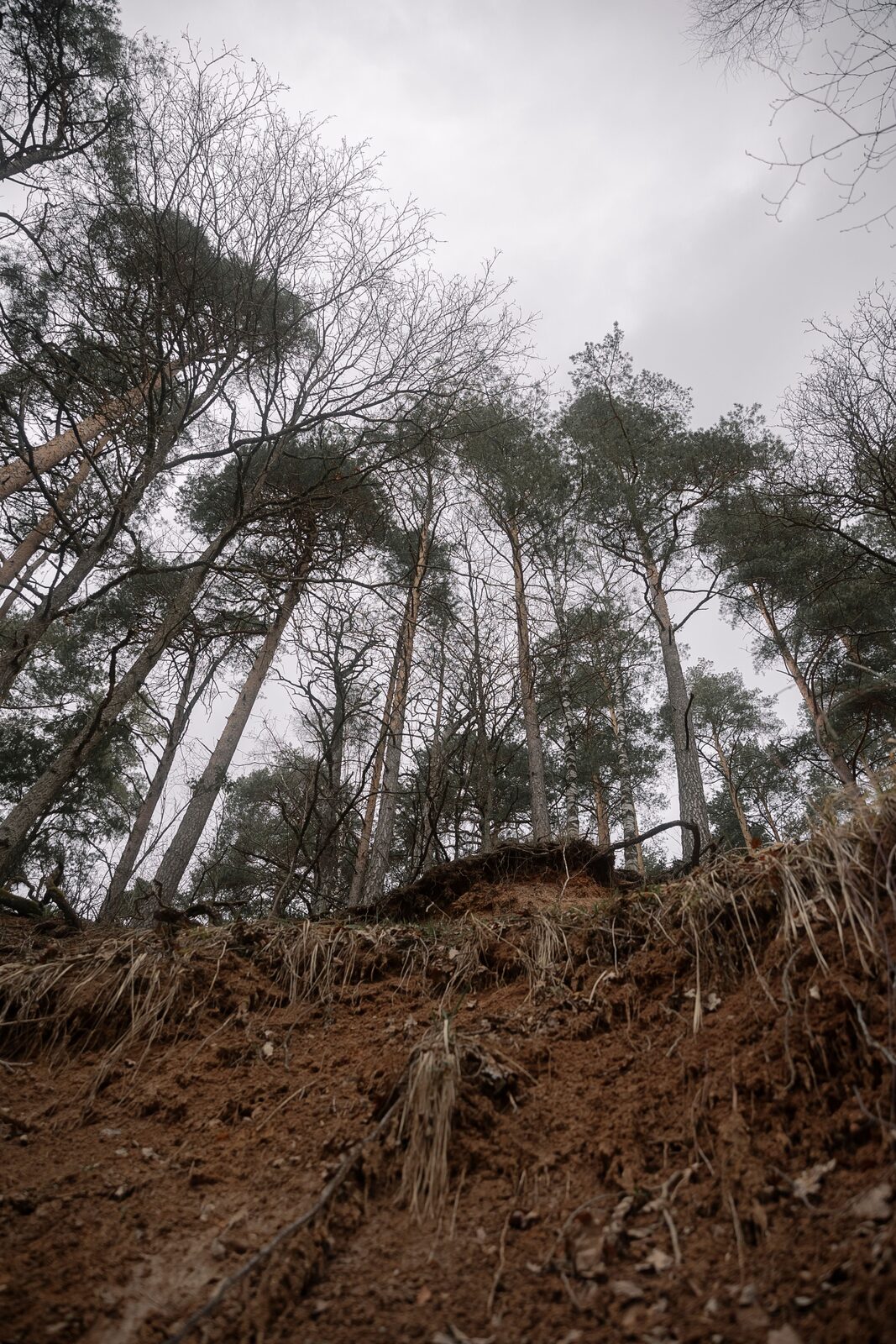
Steep-slope instability
Steep natural slopes can creep, slump or slide — leaning trees and cracked ground are early warning signs.
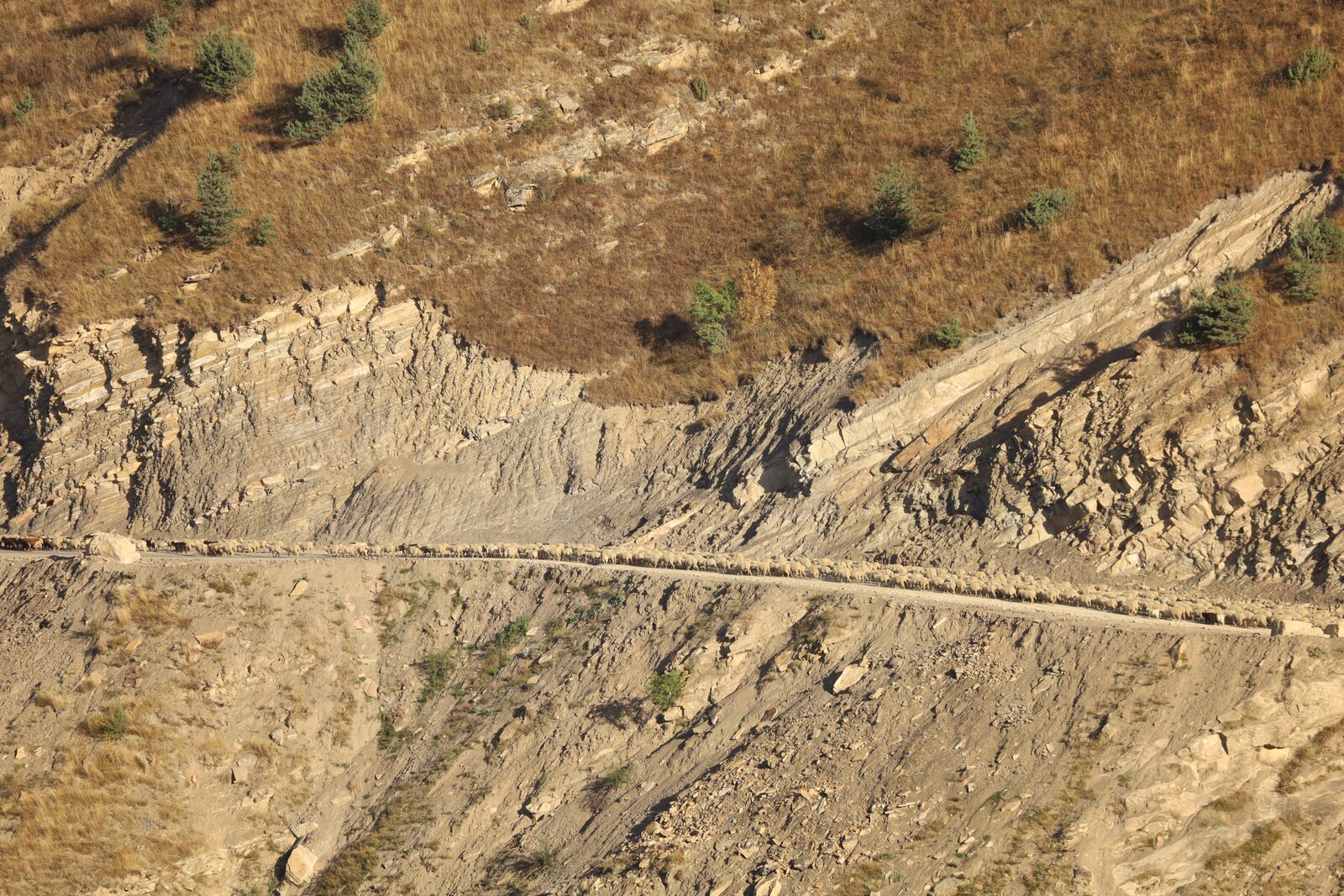
Over-steepened cuts & fills
Road cuts, benched lots and placed fill can be steeper than the ground can hold, failing during or after construction.
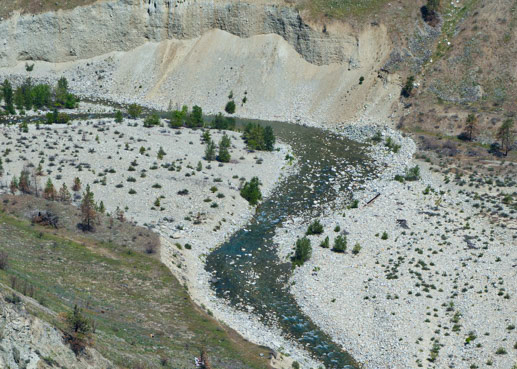
Talus & colluvium
Loose rock and soil piled at the base of slopes marks active shedding from above and can itself be unstable to build on.
Freeze-thaw & water
Winter freeze-thaw, heavy rain and poor drainage pry blocks loose and weaken slopes — the usual timing for failures.
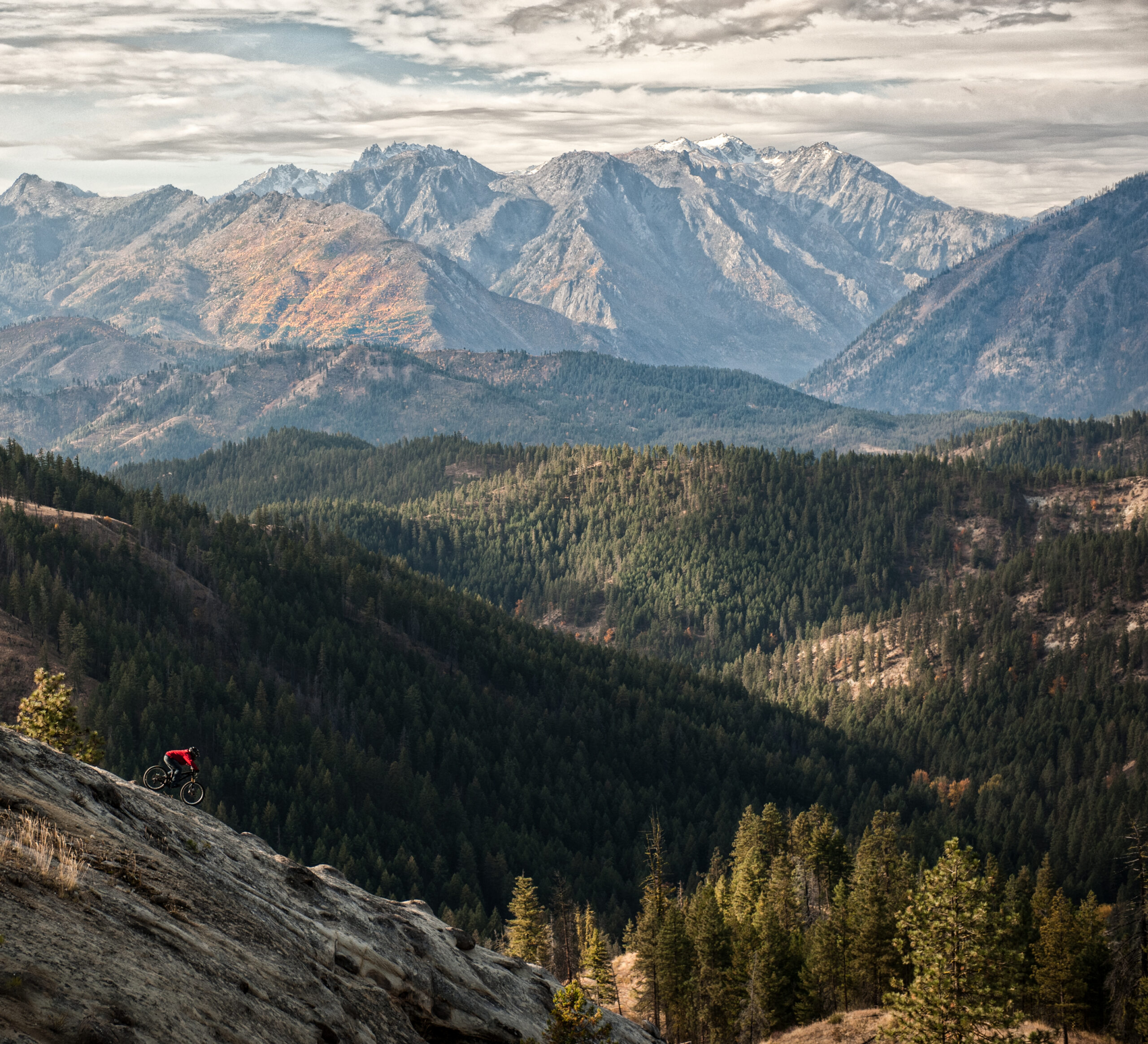 Managing risk from source to receptor
It can be managed
Reducing steep-slope & rockfall risk.
Good mitigation works at one of three points — the source, the path, or the site being protected.
- At the source: scaling loose rock, rock bolts, and mesh or drape on the face
- Along the path: barrier and attenuator fences, and rock sheds where needed
- At the site: catchment ditches, berms and building setbacks
- On the slope: drainage, regrading, retaining structures and revegetation
- Over time: monitoring and maintenance where hazard remains
How we help
From steep ground to a safe build
We define what can reach your site and what it takes to protect it — for permitting and for design.
Source & slope mapping
We map cliffs, cuts and steep ground above and around the site, and screen critical-areas mapping.
Field inventory
A site visit documents source zones, talus, past rockfall and slope condition.
Runout & stability
We evaluate rockfall trajectory and energy and the stability of the slope itself.
Mitigation & report
Setbacks, protection and slope measures in a report your reviewer and engineer can use.
Build on the edge, safely
Perched below a cliff or on a steep lot?
We assess rockfall and steep-slope hazards for building permits and site development across eastern Washington, and recommend protection that fits the site. We measure slope gradients, define the buildable area away from steep ground, and flag where a separate slope-stability analysis is warranted before building on grades that shed rock and shallow debris.